What You Need to Know About the Boise Permit Process: A Step-by-Step Guide by Erik Hagen

Navigating the Boise permit process can feel overwhelming if you’re new to property development, remodeling, or building improvements. Whether you’re opening a business, expanding a space, or planning a renovation, understanding how Boise’s permitting system works can save you time, stress, and unexpected costs.

Here is a breakdown of what you need to know and what to expect before starting your project.

Step 1: Planning and Zoning Approvals in Boise

Before you even think about construction, you need to secure your planning approvals. This ensures your project aligns with Boise’s zoning laws and land-use requirements.

If you’re requesting a variance or changing how a space is used, the Planning and Zoning Commission will review your proposal.

In some cases, this step involves public hearings, where notices are sent to nearby property owners and signs are posted at your site approximately 10 days before the hearing.

Step 2: Applying for a Building Permit in Boise

Once your planning approvals are complete, it’s time to apply for your building permit. This is your official authorization to start construction.

You should not perform any work until your permit is issued.

The building permit process varies by jurisdiction, but the typical review period is one to two months. Much of that time, your plans are simply waiting in line to be reviewed.

Once your set reaches the top of the pile, city officials usually spend a day or two reviewing it and sending back comments for revisions.

Expect some back and forth between your architect and the building department to address code requirements.

Step 3: Understanding Boise Permit Review Layers and Agencies

Boise’s process involves multiple agencies and departments, from Ada County Highway District (ACHD) to waste management services.

For example, the trash company must review your plans to determine the size and type of containers your project will need. If your design requires large roll containers, you’ll need to include an enclosure for them.

Parking requirements and overlay districts can also come into play.

For example, properties in the Historic Overlay District may require additional approvals from the Historic Preservation or Design Review Board, which adds both time and cost.

Step 4: Planning for Permit Delays and Communication

It’s common for simple projects to evolve into complex ones once the permit process begins.

Between planning, zoning, hearings, revisions, and multiple reviews, the process can stretch over several months.

Clear communication with your architect, engineer, and the city can make all the difference in keeping your project on track.

Boise Permit Process: Final Thoughts

The Boise permitting process might seem daunting, but with proper planning and a knowledgeable team, it becomes manageable.

Understanding each step, from planning approvals to final permits, helps you avoid surprises and move your project forward smoothly.

Start Your Project With a Boise Architect Who Understands the Process

Ready to start your project in Boise?

Our team can guide you through every stage of the permitting process and make sure your plans meet all city requirements.

Get in touch with Erik Hagen Architecture today to schedule a consultation.
How to Choose an Architect in Boise: Small Firm vs. Large Firm by Erik Hagen

A common question is whether you should hire a small architect or a large firm.

And most of the time, it comes down to two things.

Timeline and budget.

Choosing an Architect in Boise Comes Down to Timeline and Budget

Do you have a strict timeline?
Do you need something done quickly?

Or

Are you trying to be cost efficient?

Those two questions usually determine the answer.

When to Hire a Small Architect Firm in Boise

If your priority is cost, a smaller firm is often the right choice.

Smaller firms typically have less overhead.
Fewer staff.
Lower operating costs.

That can translate into cost savings for the project.

It does not mean lower quality.

Licensed architects are trained to do the same work.
They meet the same requirements.
They are responsible for the same outcomes.

The difference is not capability.

It’s structure.

With a smaller firm, the work is usually more direct.
Fewer people involved.
Fewer layers between design and execution.

For many residential and small-to-mid-size commercial projects in Boise and the Treasure Valley, that can be the right fit.

When to Hire a Large Architecture Firm in Boise

If your priority is timeline, a larger firm may be the better option.

Larger firms have more resources.

More people.
More defined roles.
More capacity.

If you need something done quickly, or you have a firm deadline, that matters.

In Boise, where timelines can be tight and coordination between consultants and jurisdictions can take time, having that level of resourcing can make a difference.

Do Small and Large Firms Deliver Different Quality

At the end of the day, licensed architects are licensed architects.

They are trained to do the same work.
They are held to the same standards.

Life safety.
Code compliance.
Building performance.

Those do not change based on firm size.

What changes is how the work gets done.

And what it costs to get there.

How to Choose the Right Architect for Your Project in Boise

So the question isn’t:
Which firm is better.

But, instead:

What does your project require?

Do you need to move quickly?
Do you need to manage cost?
How complex is the project?

Those answers point you in the right direction.

Small vs. Large Architect Firms in Boise: Final Thought

If your priority is cost, a small firm is often the right choice.

If your priority is timeline, and budget is less of a constraint, a larger firm may be the better fit.

Both can deliver a quality result.

The difference is in timeline, budget, and available resources.

And choosing the one that aligns with your project.

If you’re looking for an architect in Boise or the Treasure Valley, and want to understand what approach fits your project, get in touch.

We can walk through your timeline, budget, and next steps.

Sustainable Architecture in Boise Is Not a Trend by Erik Hagen

People often talk about sustainability in architecture like it’s a recent idea.

It isn’t.

The conversation has evolved. Technology has improved. Building systems are more sophisticated.

But the responsibility behind sustainable design has existed for a long time.

Buildings consume enormous amounts of energy. They influence how people live, work, and move through cities.

That is true everywhere, including here in Boise and throughout the Treasure Valley, where climate, sunlight, and long-term building performance all influence design decisions.

And buildings last for decades.

When you design something that will exist for generations, environmental impact matters.

When Sustainable Design Became a System

In the early 2000s, the U.S. Green Building Council introduced a framework called LEED.

Leadership in Energy and Environmental Design.

LEED created a system for measuring how buildings perform environmentally.

Before that, sustainability was often discussed in broad terms. General ideas. Good intentions.

LEED made it measurable.

Energy performance. Materials. Water use. Indoor environmental quality.

Instead of simply talking about sustainability, architects and builders could begin designing buildings with clear environmental performance goals.

For architects working in regions like Boise and Idaho’s Treasure Valley, those goals often intersect with climate, energy efficiency, and long-term building durability.

Why I Became LEED Accredited

When LEED was introduced, the approach immediately resonated with me.

It provided a framework that aligned with how I already thought about buildings and their long-term impact.

So I became LEED Accredited in the early 2000s.

The goal was not just certification.

It was the ability to apply those principles to real projects and help buildings achieve LEED certification while improving overall building performance.

For architects practicing in Boise and throughout Idaho, sustainable design decisions can influence everything from energy use to how buildings respond to seasonal temperature swings and sun exposure.

Those decisions start early in the design process.

What LEED Buildings Prioritize

LEED-certified buildings incorporate design strategies that reduce environmental impact and improve efficiency.

That often includes:

  • Lower energy use

  • Efficient lighting and building systems

  • Locally sourced materials

  • Solar and passive design strategies

  • Improved long-term building performance

Some of these strategies come from mechanical systems.

Many come directly from architectural decisions.

Building orientation. Daylighting. Envelope performance. Material choices.

These design choices are particularly important in climates like Idaho’s, where seasonal temperature variation can significantly influence energy performance.

Sustainable design is not just technology.

It is thoughtful design.

Why It Matters

Architecture has long-term impact.

The buildings we design today shape energy consumption, environmental performance, and community health for decades.

Once something is built, it is difficult and expensive to undo.

Which is why the design phase matters so much.

For projects in Boise and the surrounding Treasure Valley, sustainable design also means thinking about climate, resource efficiency, and long-term building durability.

Sustainable architecture is not an added feature.

It is simply part of responsible design.

The Retreat McCall: Designing a Retreat Lodge in the Idaho Backcountry by Erik Hagen

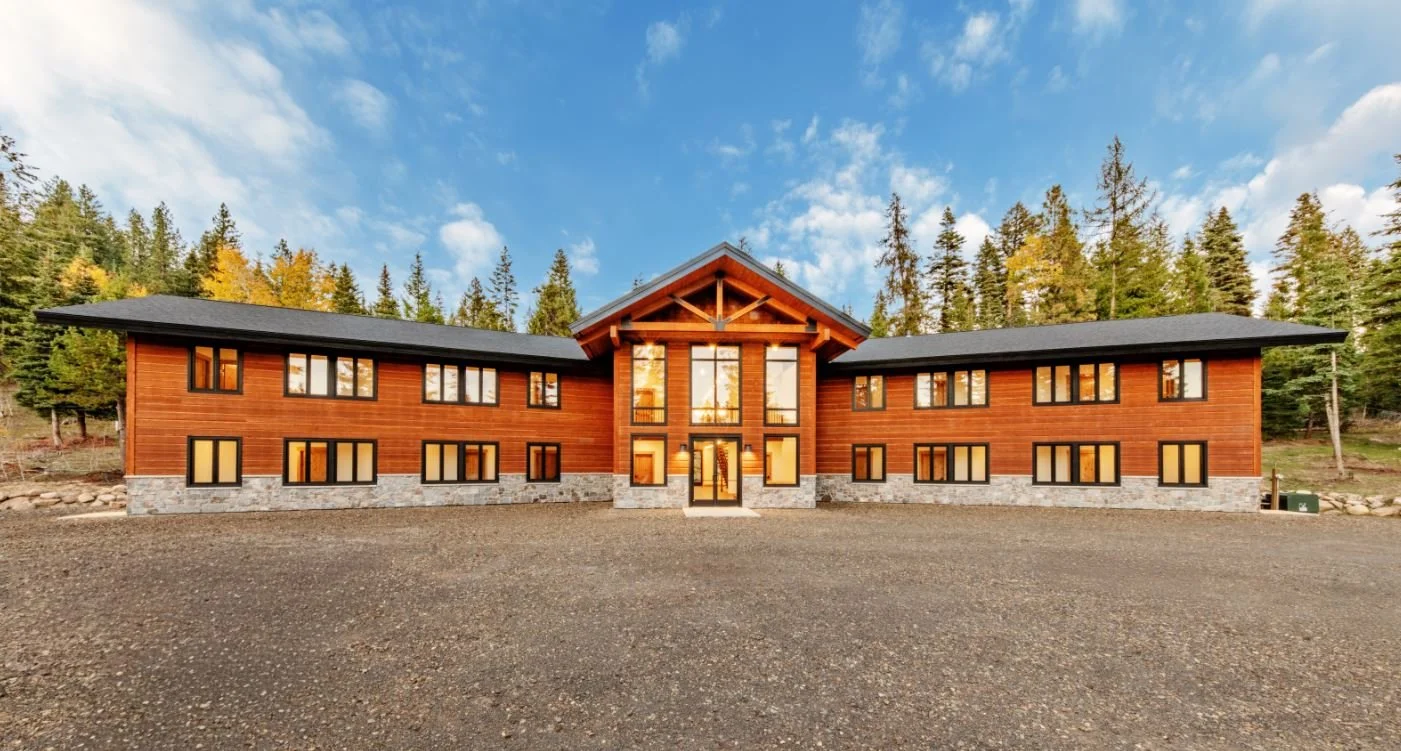
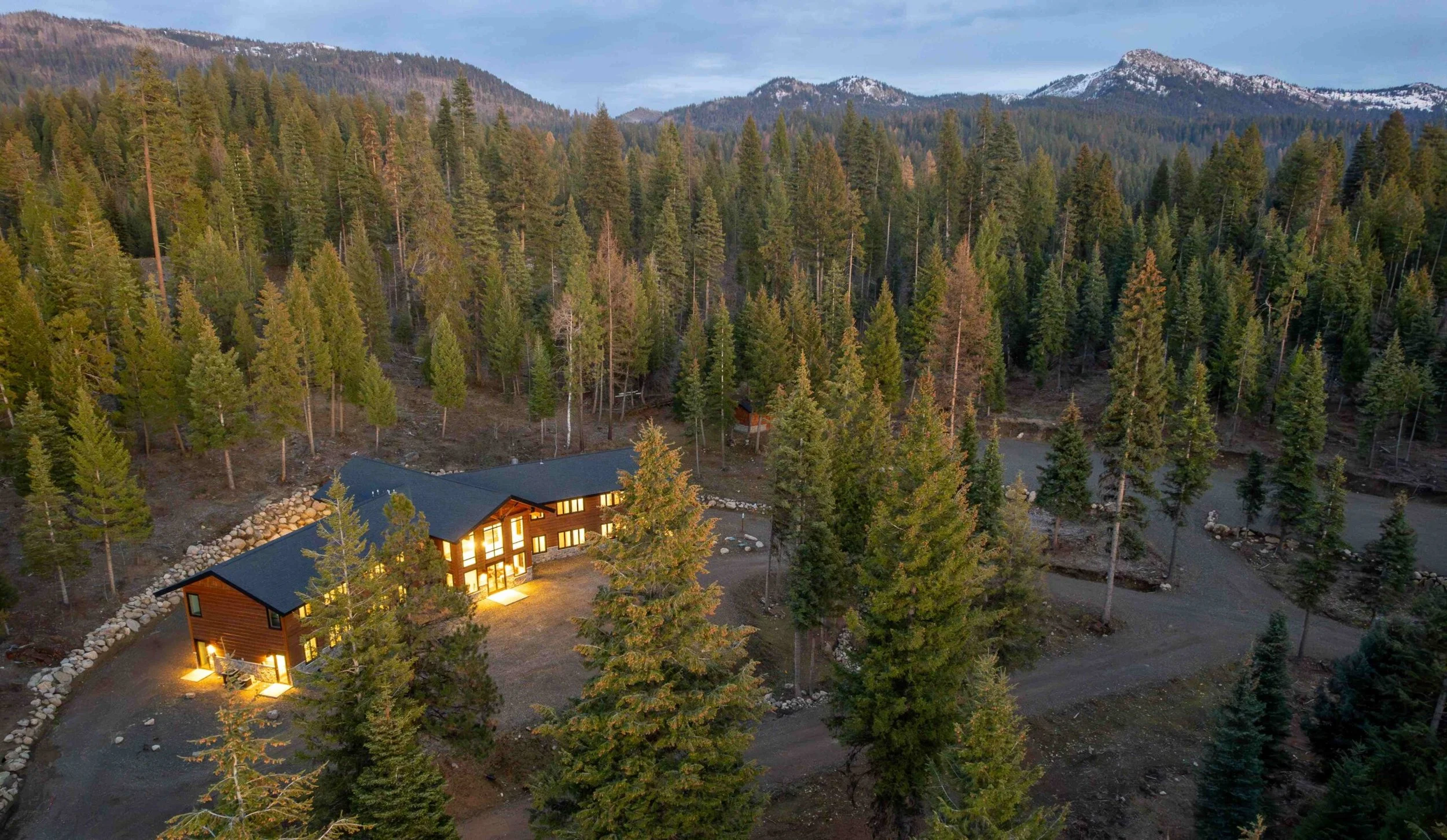
 The Retreat McCall sits on 40 acres of forested land outside McCall, Idaho. Photo Courtesy The Retreat McCall

Located in the forested foothills outside McCall, Idaho, The Retreat McCall is an 8,000 square foot dormitory lodge designed to support group retreats, gatherings, and events in a quiet mountain setting.

Situated on 40 acres near Jughandle Mountain, the project provides a place where groups can gather, stay overnight, and remain closely connected to the surrounding landscape.

Project Overview

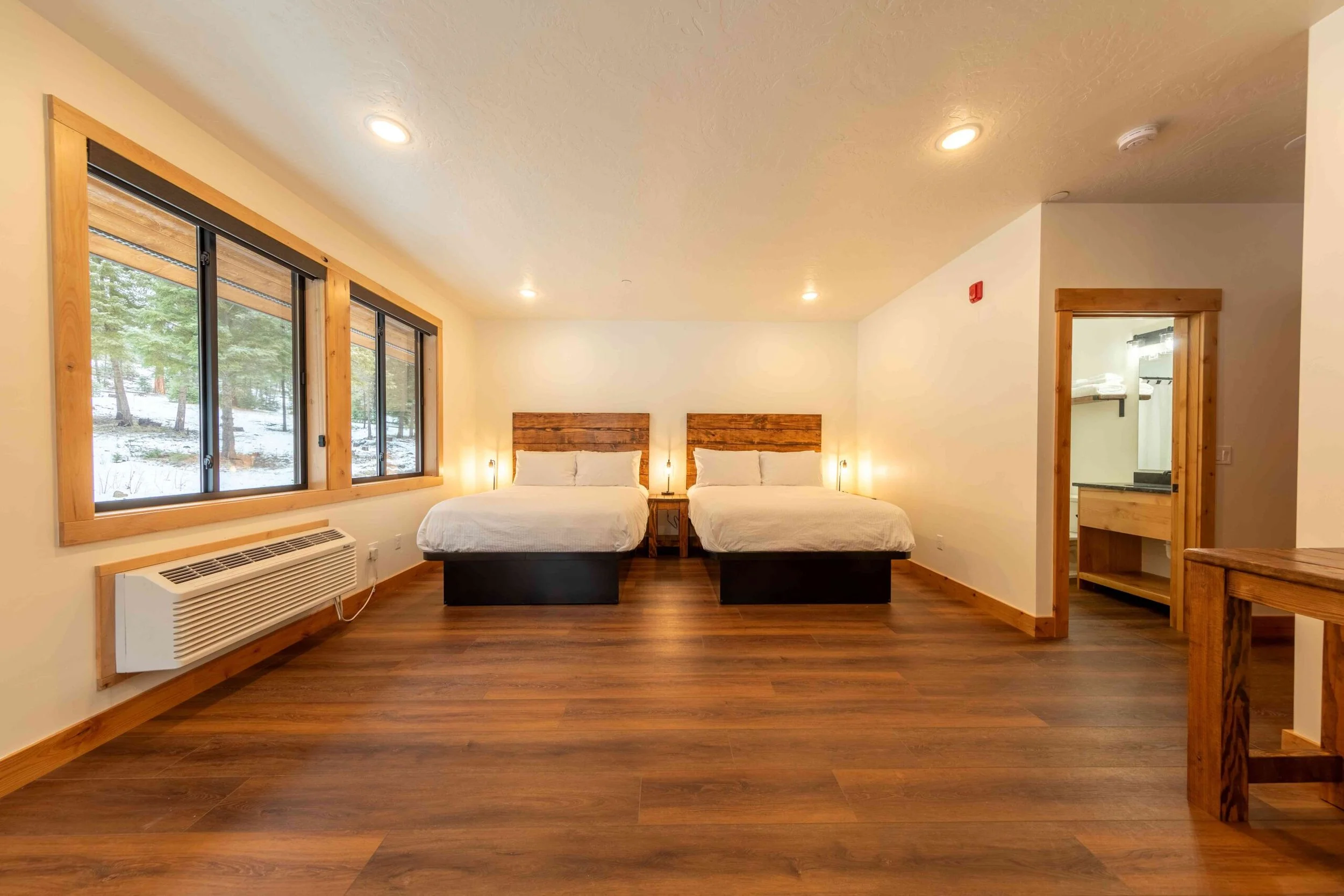
The lodge was designed to accommodate retreat groups with overnight lodging for up to 40 guests. The building includes 16 bedrooms with multiple queen beds, allowing organizations, families, and event groups to stay together in one place.

The project supports a range of uses including leadership retreats, weddings, and group gatherings, offering a setting where visitors can step away from daily routines and spend time together in a quiet natural environment.

 The architecture draws from the vernacular of regional mountain lodges. Photo Courtesy The Retreat McCall

Architecture and Materials

The building references the language of mountain lodges common throughout the region. Wood siding, timber elements, and simple forms help the structure sit naturally within the surrounding forest.

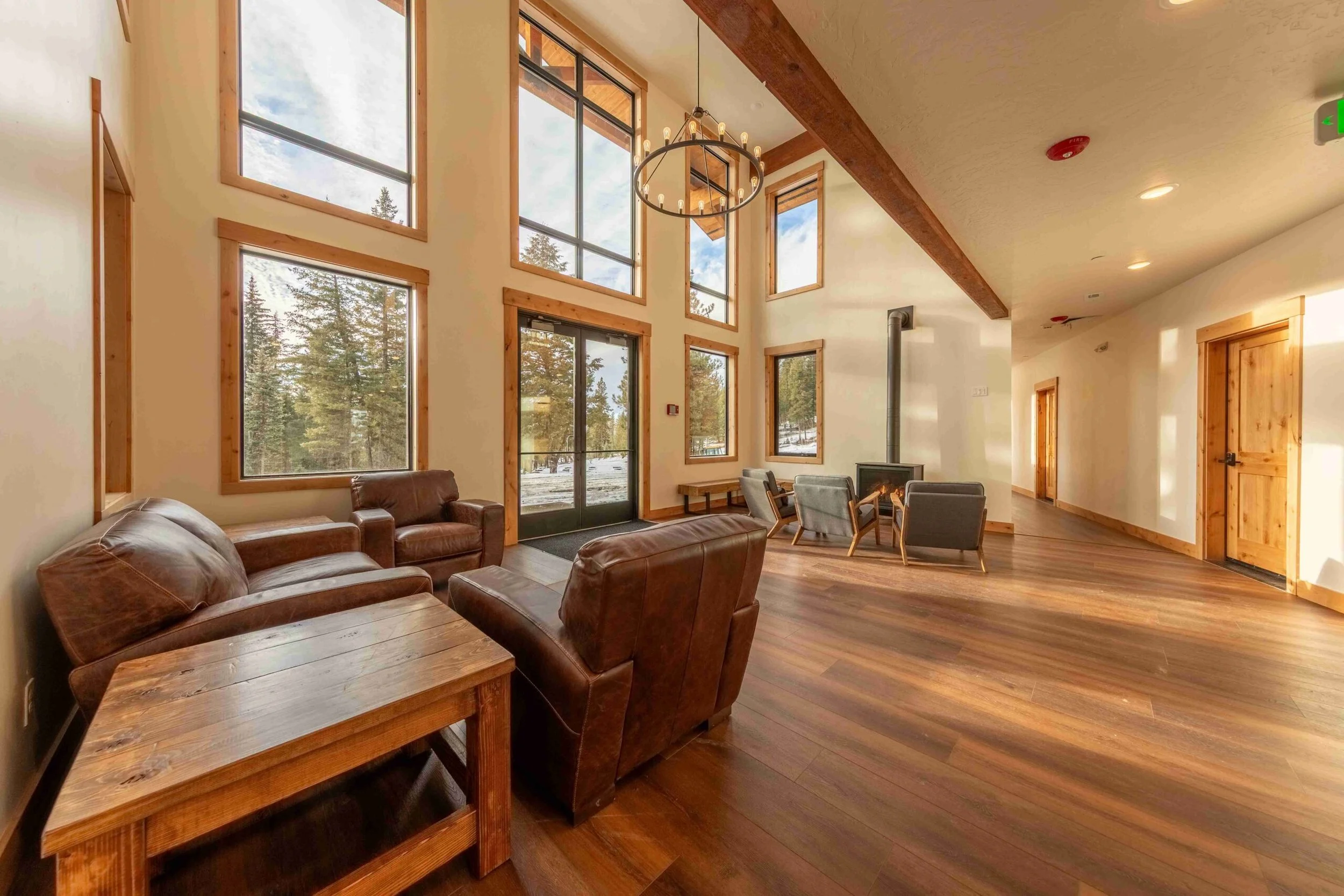
Large windows bring natural light into the building while framing views of the surrounding trees and mountains. The goal was to create a durable structure that feels grounded in the landscape while remaining welcoming to the groups who gather there.

 Interior spaces emphasize natural light and connection to the surrounding forest. Photo Courtesy The Retreat McCall

Interior Spaces

Inside, the design emphasizes warmth, simplicity, and durability. Natural materials and large windows help bring the surrounding landscape into the interior experience.

Shared gathering areas allow groups to spend time together, while dormitory-style rooms provide comfortable accommodations for guests staying overnight.

 Dormitory-style rooms provide simple, comfortable lodging for retreat groups. Photo Courtesy The Retreat McCall

 On Site at The Retreat McCall

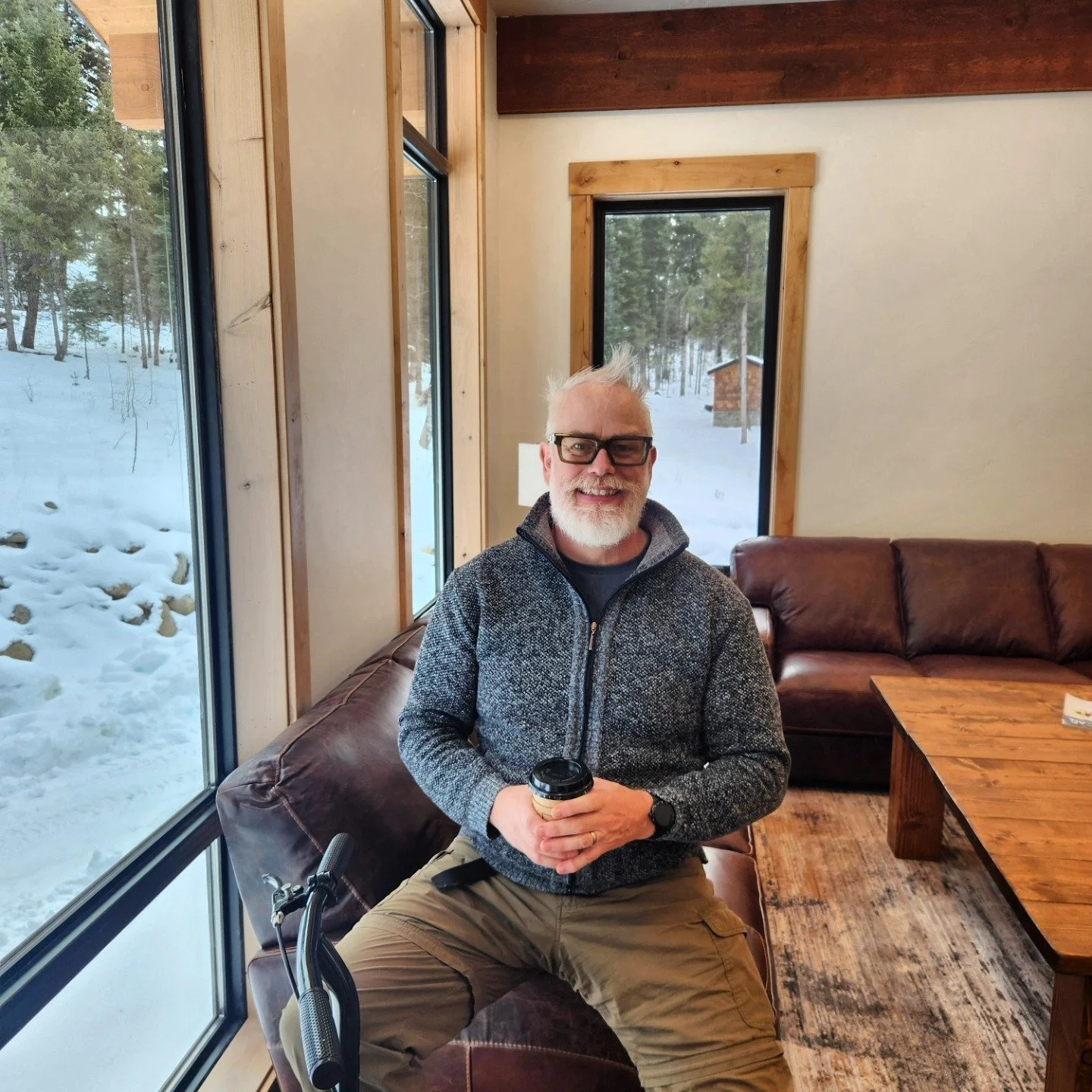
Erik recently visited The Retreat McCall with his family. Returning to a completed project is always a good reminder that buildings tend to look a lot better in real life than they do in a stack of drawings.

Seeing the project in use and experiencing the surrounding landscape is one of the more rewarding parts of the process.

 Project Information

Location
Near McCall, Idaho

Building Size
8,000 square feet

Program
Dormitory lodge for retreats and group gatherings

Capacity
Overnight accommodations for up to 40 guests

Interested in working with an architect in Boise or the surrounding region?
Learn more about Erik Hagen Architecture or contact the studio to start a conversation.