Artificial intelligence is quickly becoming a valuable tool within the architecture and design industry, especially when it comes to architectural visualization.
AI can now help transform basic architectural renderings into more immersive visual presentations in a fraction of the time traditional workflows once required. But despite the growing conversation around AI in architecture, these tools are not replacing architects.
Instead, AI is helping streamline parts of the visualization process while still relying heavily on professional oversight, technical expertise, and human judgment.
Architects are still responsible for ensuring a project is functional, code-compliant, buildable, and aligned with a client’s goals. AI may assist with rendering speed and conceptual exploration, but it does not understand construction feasibility, spatial planning, or how buildings operate in the real world.
As AI-assisted workflows continue evolving, many firms are integrating these tools into existing rendering and visualization processes to improve efficiency while maintaining design quality and technical accuracy.
How Architects Use Revit and AI Together
Architectural visualization often begins with foundational modeling software such as Revit, where architects and designers create three-dimensional geometry, layouts, and material studies to communicate design intent.
Traditional Revit renderings are highly effective for showing:
Spatial organization
Building geometry
Material placement
Functional relationships within a project
However, these renderings are often more technical than atmospheric. While they communicate information clearly, they may not fully capture the energy, lighting, or emotional experience clients are hoping to see during the design process.
This is where AI-assisted rendering tools are becoming increasingly useful.
Many architects are now using AI platforms to enhance visualization imagery by introducing:
Lighting and mood
Environmental context
Landscape details
Human activity
Material texture refinement
More immersive presentation visuals
These tools can help clients better understand how a space may actually feel once built while also allowing architects to iterate through visualization concepts much more quickly.
The Role of AI in Architectural Visualization
A growing number of AI rendering platforms now allow architects and designers to upload renderings or screenshots from modeling software and generate stylized visual outputs using prompts, reference imagery, or design direction.
These tools are especially valuable during conceptual design and presentation phases because they can quickly:
Explore different visual styles
Add environmental atmosphere
Refine lighting conditions
Populate spaces with activity
Improve presentation quality for clients
But AI-generated imagery also reveals an important limitation.
AI does not inherently understand how architecture functions in the real world.
While outputs may appear visually compelling at first glance, AI often produces inaccuracies that require professional review and refinement. Common issues can include:
Unrealistic proportions
Incorrect material applications
Scale inconsistencies
Improper lighting placement
Functional design conflicts
Unrealistic circulation or spatial relationships
AI can generate imagery, but it cannot replace architectural judgment.
It does not understand:
Building codes
Construction sequencing
Real-world constructability
Operational requirements
Human behavior within space
Site-specific design constraints
This is why professional oversight remains essential throughout the process.
AI Works Best as a Directed Design Tool
Architects and designers are still directing the process by providing prompts, evaluating outputs, refining imagery, and determining whether generated visuals are actually functional, realistic, and aligned with project goals.
In practice, AI often functions more like a visualization assistant than a replacement designer.
Architects may use AI tools to:
Adjust materials and finishes
Explore alternate design aesthetics
Introduce landscape or environmental details
Refine atmosphere and lighting
Create more engaging client presentations
Accelerate conceptual visualization workflows
Even then, outputs frequently require correction.
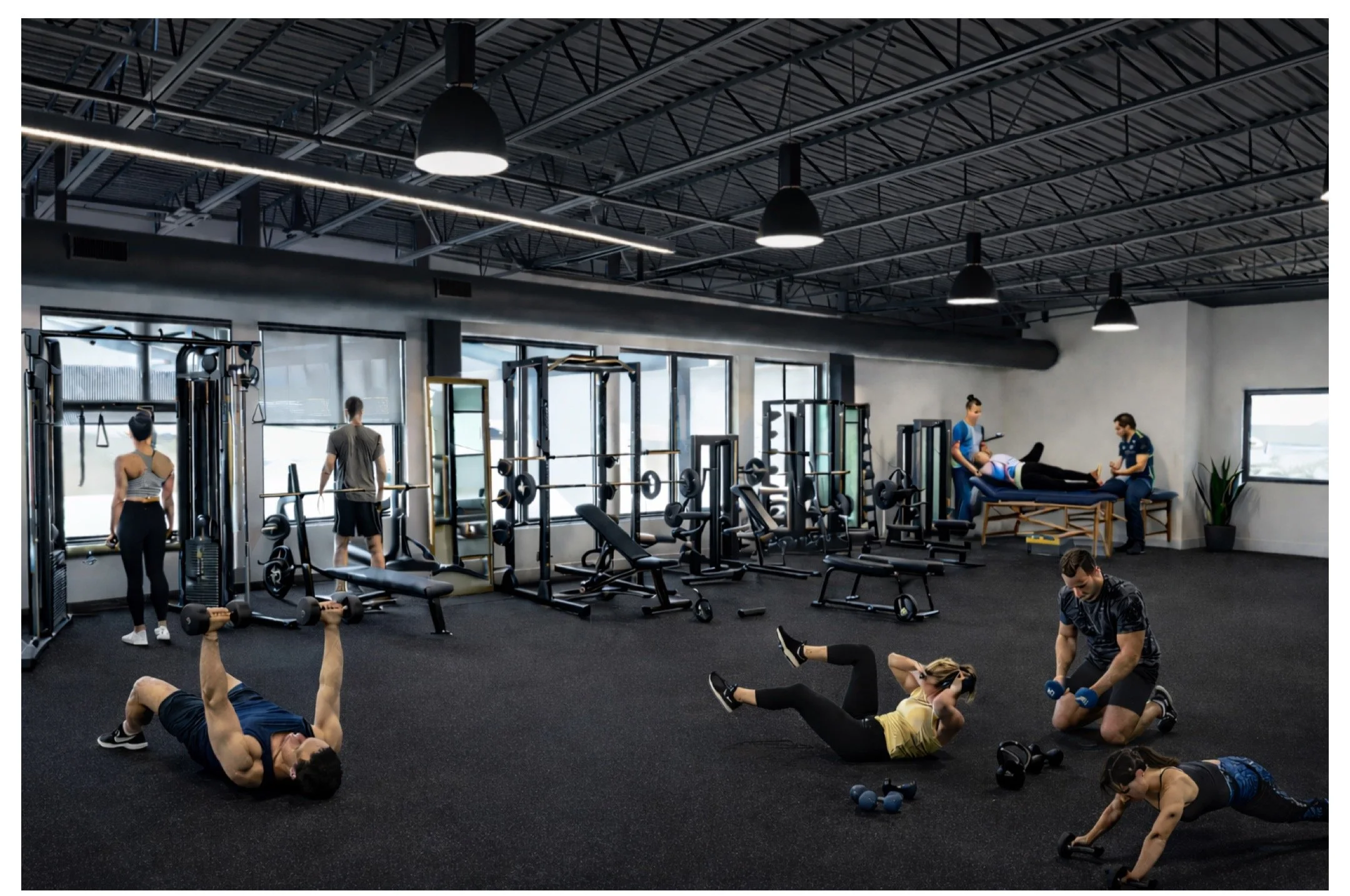
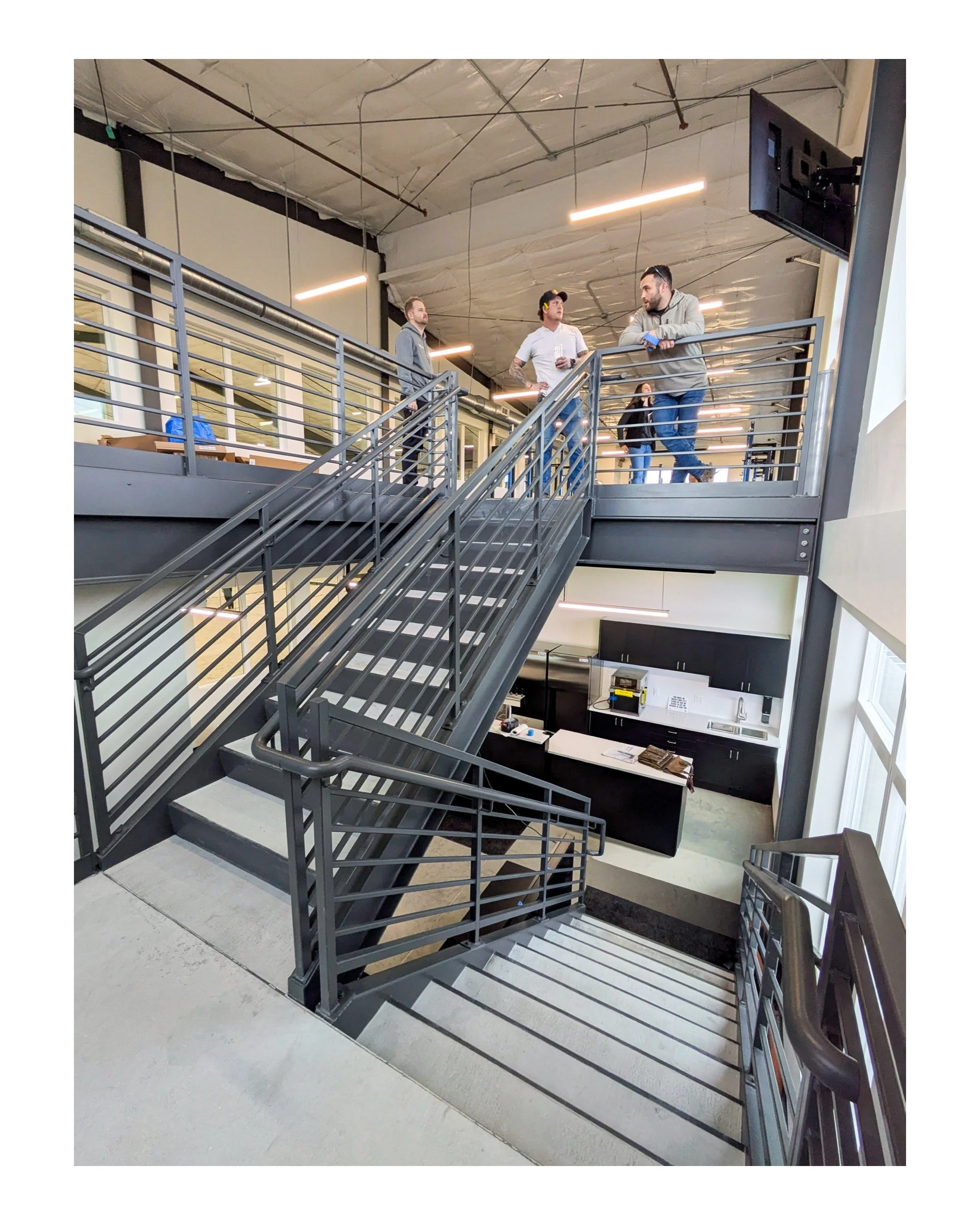
In practice, AI can produce renderings that look surprisingly realistic while still making some very strange decisions. During one visualization for an exercise equipment room, AI generated an image with someone casually doing squats directly at the top of a stairwell. The rendering looked polished and believable at first glance, but the moment you actually stopped and looked at it, it became obvious how absurd it was.
Moments like this are a good reminder that AI can generate imagery, but it still lacks the human understanding and real-world awareness architects naturally bring to a project.
AI may also generate:
Oversized architectural elements
Unrealistic glazing systems
Incorrect lighting layouts
Impractical material transitions
Spatial inconsistencies
These moments reinforce something important:
AI can accelerate visualization.
But architects are still responsible for evaluating whether the design actually works.
Human Oversight Still Matters
After AI-generated imagery is created, architects and visualization teams often continue refining the work through Photoshop, rendering software, and other post-production tools.
This final review process helps ensure that renderings are:
Technically believable
Functionally accurate
Visually cohesive
Consistent with project intent
Appropriate for client presentations
Many of these adjustments may appear subtle, but they are essential to producing professional-quality architectural imagery.
Architects continue to provide the technical thinking, problem-solving, and design judgment that AI alone cannot replicate.
While AI can improve efficiency and reduce rendering production time, it still depends on experienced professionals to guide outputs and validate the final result.
How AI Is Reducing Architectural Rendering Time
One of the biggest advantages of AI-assisted visualization workflows is speed.
Rendering processes that once required dozens of hours can now often be completed much faster through AI-assisted tools and iterative prompting.
This increased efficiency allows architects and designers to spend more time focusing on:
Design refinement
Client collaboration
Creative exploration
Problem-solving
Project coordination
Strategic design decisions
Rather than reducing creativity, AI can actually create more space for architects to focus on the parts of design that benefit most from human expertise.
Conclusion
AI is reshaping architectural visualization by helping firms create renderings and conceptual imagery more efficiently.
But AI is not replacing architects.
Architects remain essential for translating ideas into functional, buildable, and code-compliant environments while ensuring that projects align with client goals, budgets, and real-world constraints.
The future of architecture is unlikely to be fully automated. Instead, AI is becoming another tool within the design process, one that can accelerate visualization and iteration while still depending on architects to guide, evaluate, and refine the work.
The most effective workflows will continue combining technological efficiency with human creativity, technical knowledge, and professional judgment.